Whether you have inquiries about our services, need a customized solution, or wish to discuss a potential project, our team is here to assist you.
Renewable Energy Projects
Solar Pumping Plant Projects
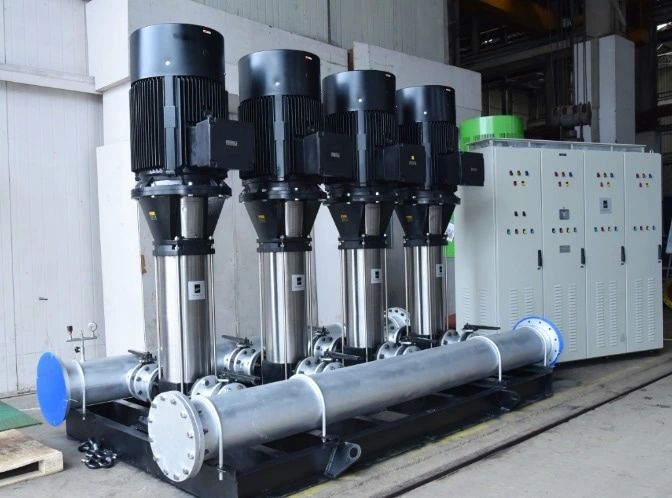
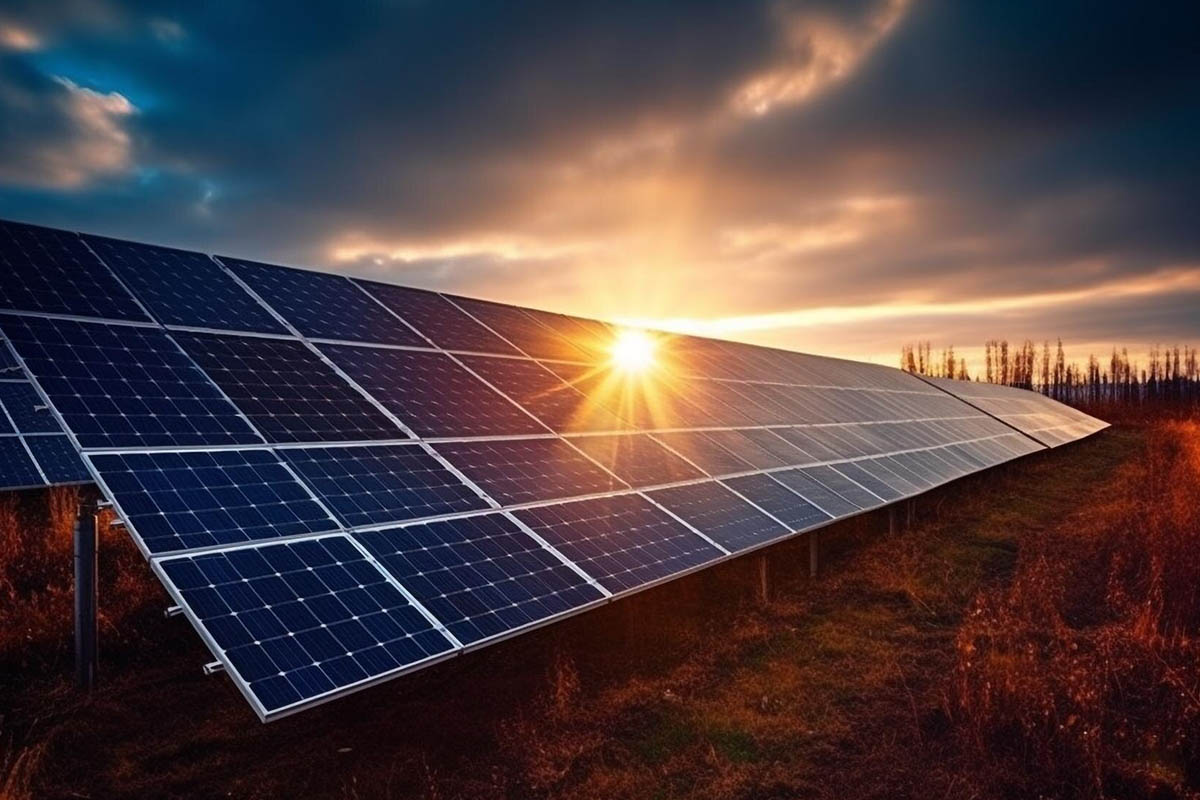
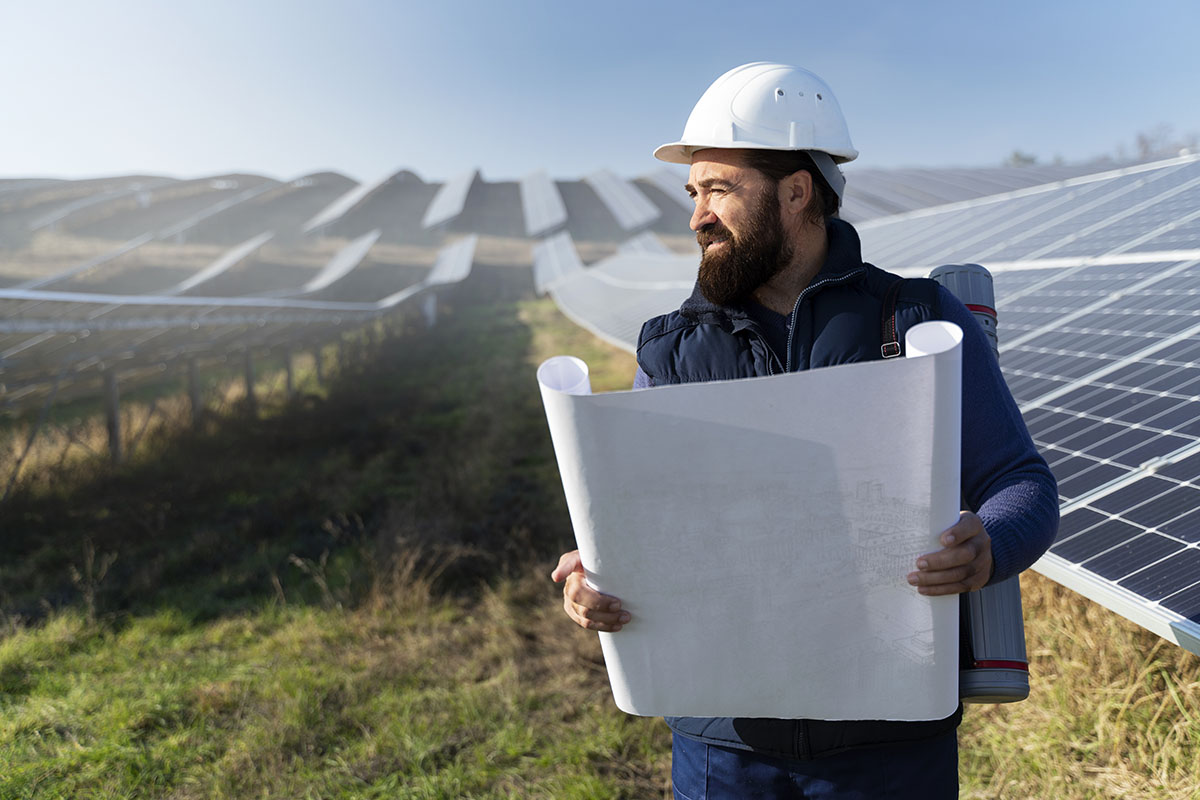
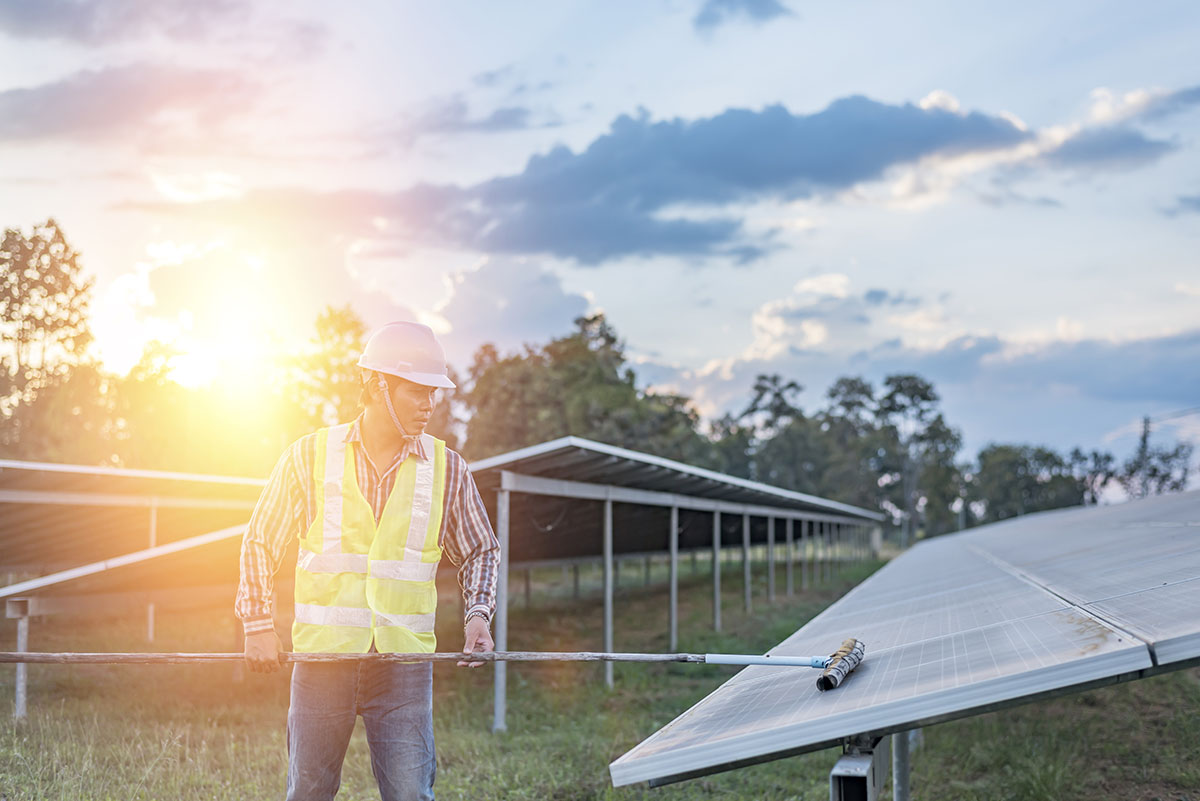
What It Is: Set of solar panels and solar-powered pumps for water supply systems in most rural and off-grid areas.
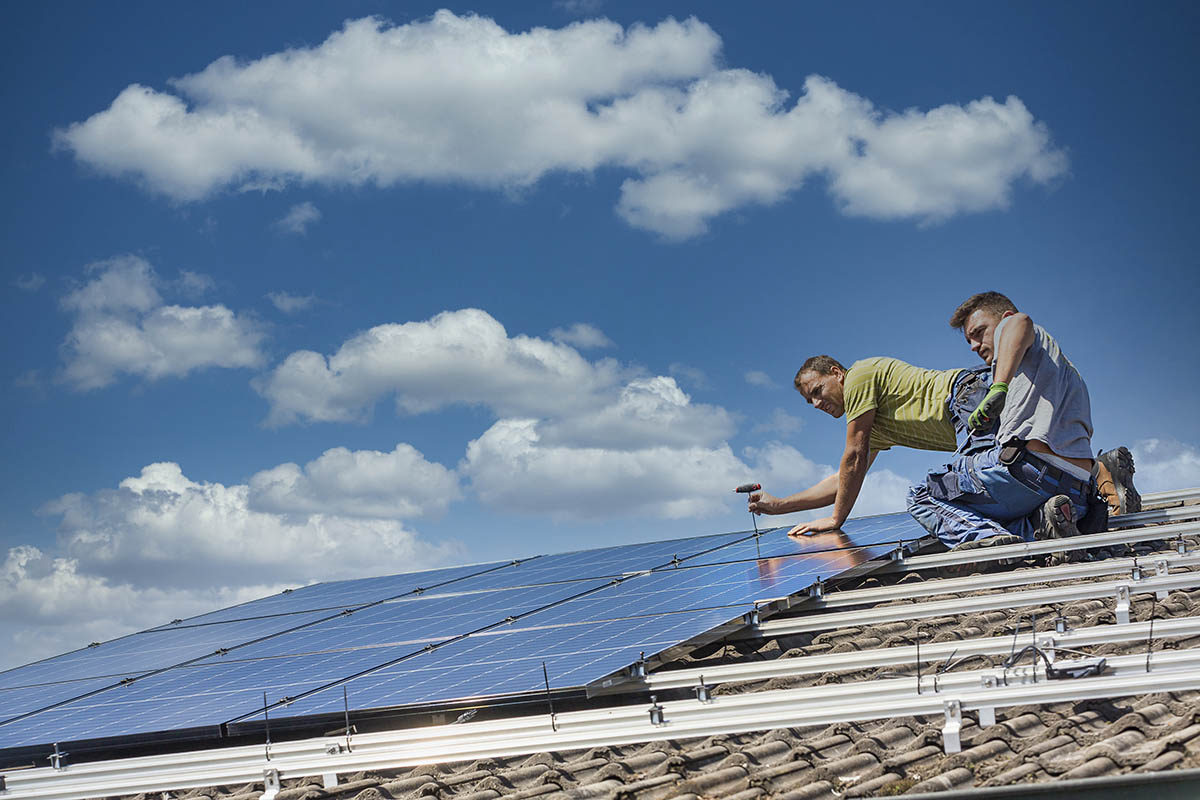
How It's Done: Starting with a site assessment that directs the best angle the panel will face to capture maximum energy, the design of such a system consists of a solar panel, an inverter, and a solar pump. The panels are fixed on rooftops or ground-mounted structures, with pumps connected to the water supply system. Solar-powered systems reduce energy costs and ensure a reliable water supply. Testing of the system to meet the requirements of energy output and pumping capacity is done before commissioning.
related projects
Regions of Successful Projects
Brief Overview:
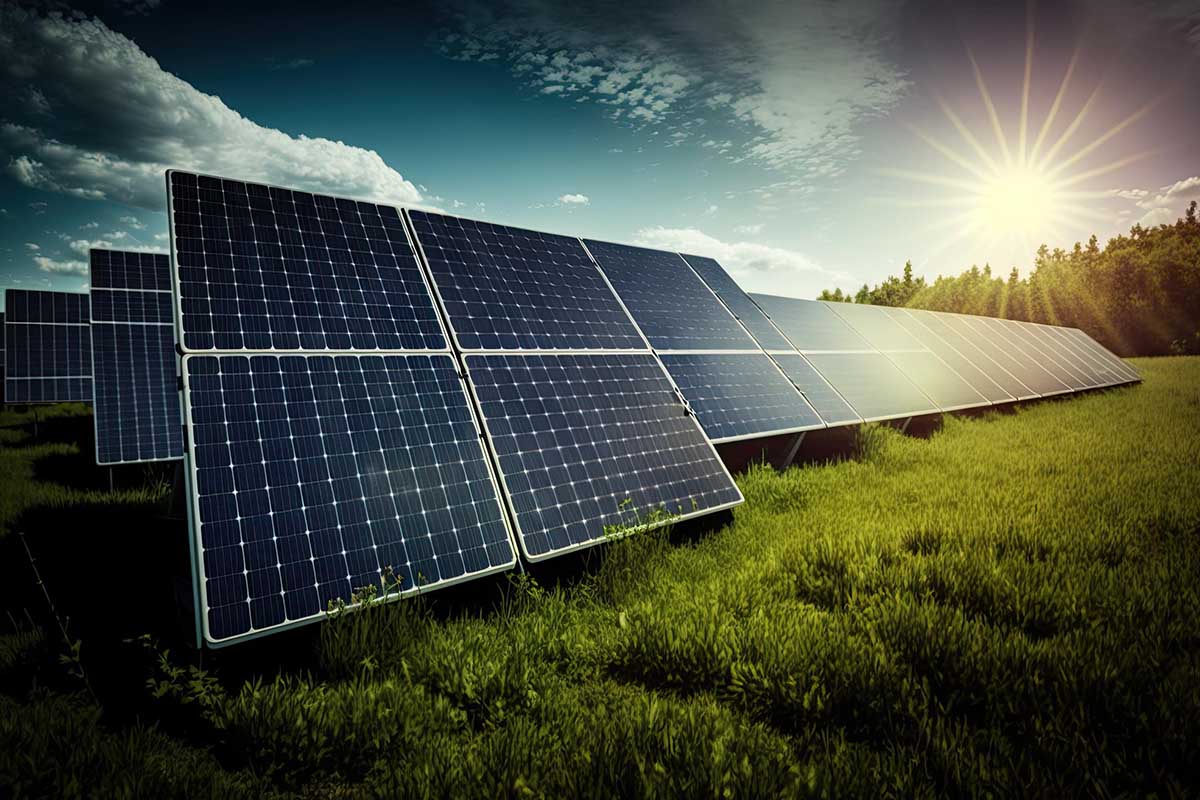
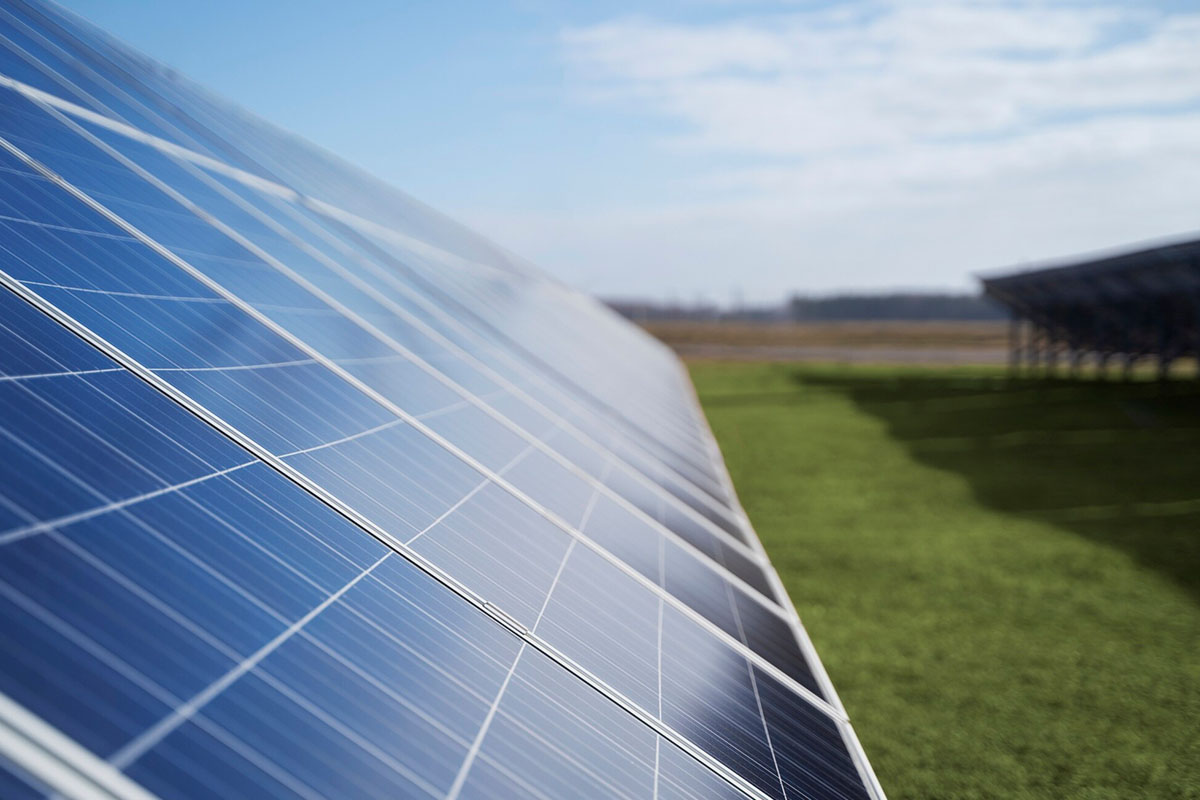
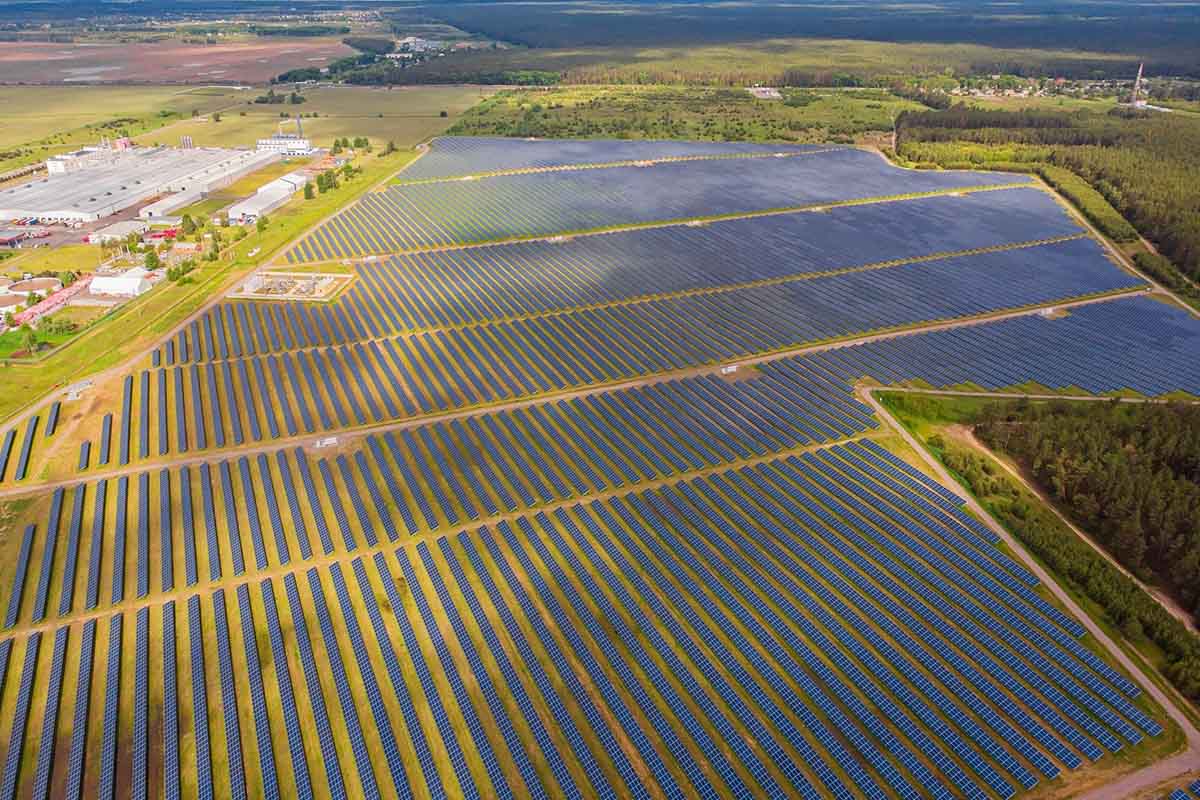
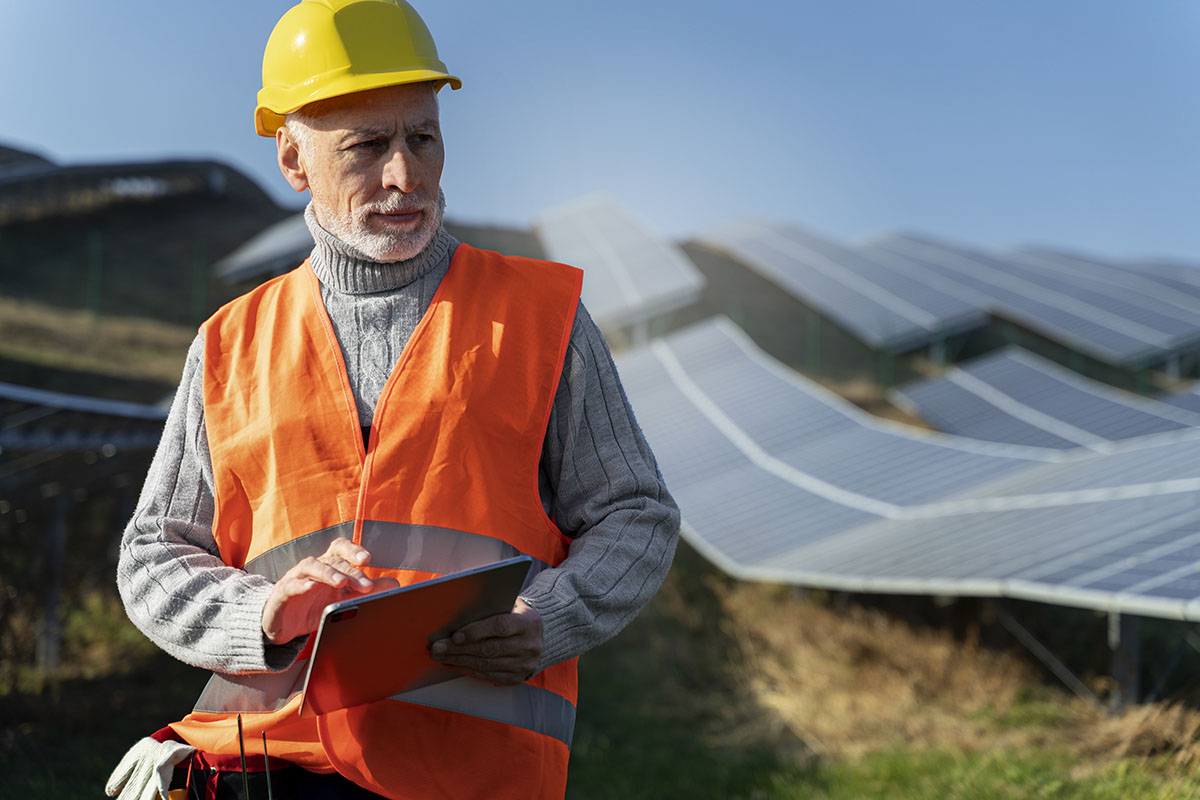
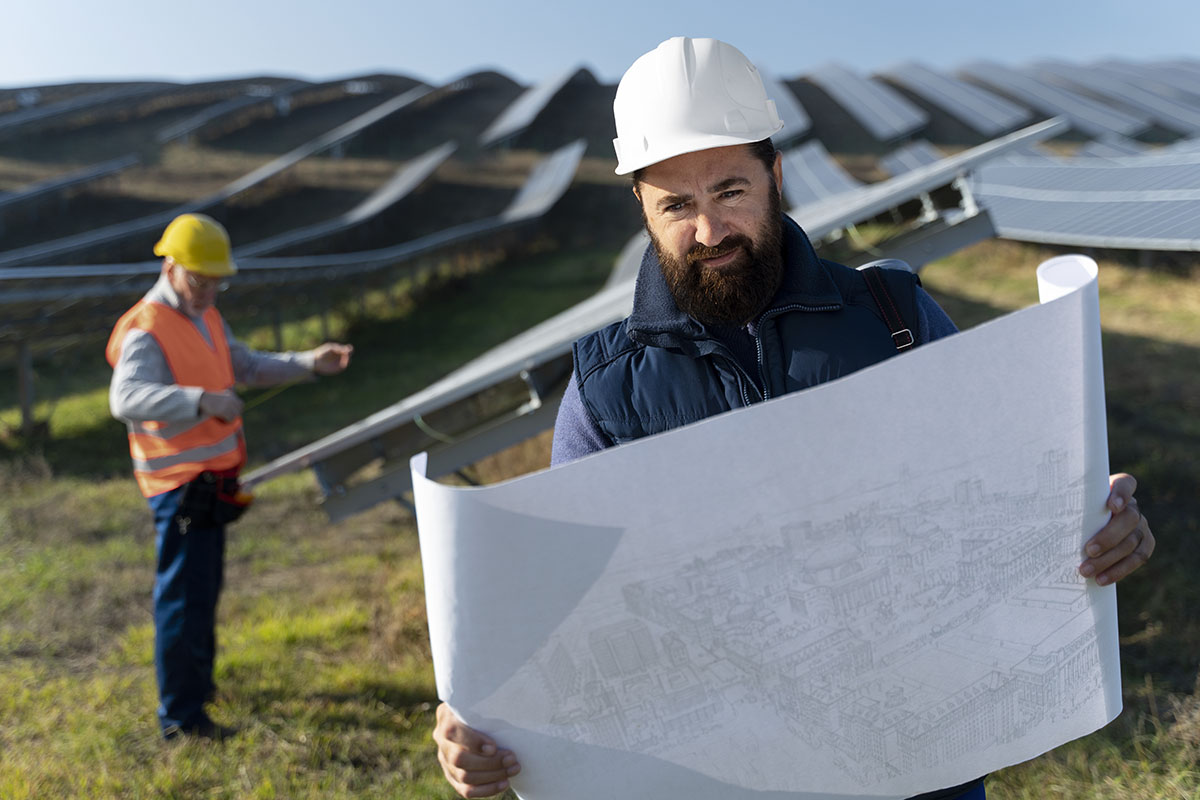
Our organization has successfully implemented a comprehensive water supply project under Jal Jeevan Mission, aiming to provide clean drinking water to over 2800 households in Ichak block. Through the construction of steel structures and the integration of solar panels, we have effectively supplied water to 128 sites. Additionally, we have laid 2500 meters of high-density polyethylene (HDPE) and medium-density polyethylene (MDPE) pipes, ensuring a reliable and efficient water distribution network.
Our vision is to provide access to clean drinking water for every household, alleviating the challenges faced by villagers in accessing this fundamental necessity.
Brief Overview:
Transforming the lives of rural communities, our Water Supply Scheme project, in Jharkhand under Jal Jeevan Mission is ensuring equitable access to clean drinking water in Ranchi, Jharkhand. Spanning over 75 schemes, our initiative is designed to provide clean drinking water to more than 2,500 households, fostering improved health, education, and economic opportunities.
Our cutting-edge infrastructure development features a strategic pipeline network exceeding 50,000 feet, guaranteeing a reliable and efficient water supply system. Our commitment to creating positive change in rural areas is unwavering. We believe that access to clean water is a fundamental human right, and we are dedicated to making this a reality for thousands of people. By working together with local communities, government agencies, and stakeholders, we can create a brighter, more sustainable future for generations to come.
Rainwater Harvesting Project
What It Is: Rainwater harvesting gathers rainwater falling on rooftops and other surfaces for utilization at later times. A good part of this harvested water in some of the projects has been used to irrigate dug wells, thus replenishing the groundwater level and sustainable use of water for agriculture and the like.
How It's Done: Rainwater is collected through gutter systems from rooftops or exposed surfaces, filtered, and directed into storage tanks. For example, the locally stored water in certain projects is transferred to dug wells to replenish the groundwater table so that wells for irrigation or domestic consumption have a steady supply of water. This eliminates a partial loss of water through underutilized sources of water and thus reduces reliance on foreign sources of water. The system collects the maximum amount of water during the rainy seasons and distributes it efficiently for well irrigation and all nonpotable purposes.
related projects
Regions of Successful Projects
Brief Overview:
The Ion Exchange RO UV CHILL installed at Rajgir, Zoo Safari is a cutting-edge water purification system designed to provide clean, safe, and refreshing drinking water. The system combines the benefits of RO, UV, and chilling to deliver exceptional water quality. The RO membrane removes dissolved solids and other impurities, while the UV lamp provides an additional layer of protection against bacteria, viruses, and other microorganisms. The chiller ensures that the purified water is cooled to a refreshing temperature, making it perfect for drinking. The system's advanced technologies ensure that the purified water meets the highest standards of quality and safety, providing a reliable source of clean drinking water for the visitors and staff at Rajgir, Zoo Safari.
Pipe Laying Projects
Pipe laying, in general, is a process for laying pipelines that would carry water, sewage, gas, or other fluids from one point to another.
How It's Done:
Detailed planning is done, and the survey of the area has to be done, and the pipeline route is designed. Depending upon the project requirement, the type of pipe HDPE, MS, CI, and DI is decided. Trenching is done by laying the pipes along the designed route, connecting them, and securing them in place. Depending on the type of pipeline, protective measures may be added to the encasing of the pipes in concrete. Testing of the pipeline for leaks and pressure integrity is done before it is buried and the site is restored